



Hyundai Unveils New Tucson: Crossover Gets Bigger and Gains New Technology
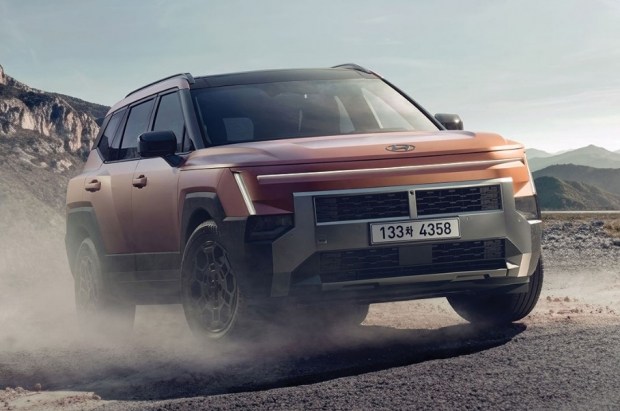
Hyundai has unveiled the next-generation Tucson in South Korea. The crossover has grown larger and gained a completely redesigned cabin along with new driver assistance systems. Specifications and trim levels for the Kazakhstan market have not yet been disclosed.
One of the most interesting new features is a reverse-driving assistance system. The vehicle remembers the route it recently traveled and can steer on its own, helping the driver retrace the same path. The feature can come in handy on narrow roads and in places where turning around is difficult. However, it does not mean the vehicle can drive itself completely autonomously — the driver still remains in control of the car.
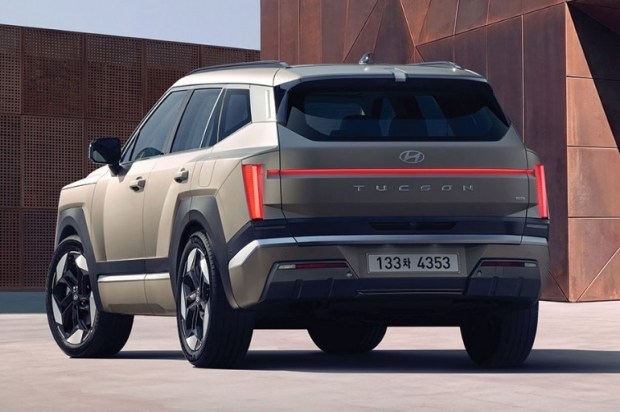
The new Tucson's design has become more angular. At the front, vertical daytime running lights and a narrow light bar have appeared, while the taillights have received a new pattern. For those who prefer a bolder off-road look, an XRT version is available, featuring a redesigned grille, wheel arch extensions, and additional underbody protection.
Compared to its predecessor, the new Tucson is 60 mm longer and 40 mm wider, while the wheelbase has grown by 30 mm. As a result, the cabin offers more space for second-row passengers. The rear doors now open wider, which should make getting in and out more convenient.
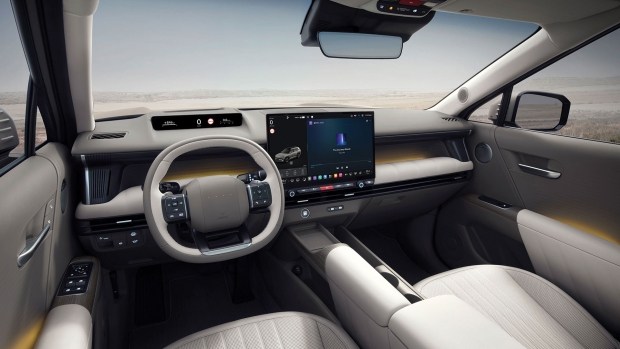
The interior has also been completely redesigned. A compact digital display sits in front of the driver, while the central screen measures either 12.9 or 17 inches depending on the trim level. The Pleos Connect infotainment system supports the Gleo AI voice assistant and app installation. At the same time, Hyundai has retained physical buttons for controlling key functions.
In the Korean market, the new Tucson will be offered with a 1.6-liter turbocharged gasoline engine. The gasoline version produces around 190 hp and comes with an 8-speed automatic transmission, replacing the previous 7-speed dual-clutch automated transmission.
Output of the hybrid version has increased to roughly 242 hp. Hyundai states its fuel consumption at about 5.7 L/100 km in the combined cycle, based on Korean measurement standards. The company has not yet disclosed details about a plug-in hybrid variant.
The electronic driver assistance systems have also been updated. At low speeds, the Tucson can limit engine power and brake if the system detects a mistaken, abrupt press of the accelerator instead of the brake pedal. A surround-view camera system helps monitor the space around the vehicle, and the Ground View feature displays the road section directly in front of the car on the screen.
Sales of the new Hyundai Tucson in South Korea will begin once pricing is announced in October. For Kazakhstan, the model's launch timeline, available engines, trim levels, and pricing have not yet been announced. Therefore, the specifications of the Korean version should not be directly applied to the vehicles that will be offered on the Kazakhstan market.
Want to buy a Hyundai at a great price with no markups? Head over to the Hyundai section and submit a request on any listing that catches your interest!


